
 The new year feels like a fresh start and a great opportunity to establish goals and set yourself up for success. Of course, goals are much easier to create than to follow through on. By the end of February, many of us abandon our determination and settle back into our daily routines. Part of the problem may be that we do not know how to set goals and stick to them, despite our sincere intentions. So, what can you do to stick to your goals and succeed? The following strategies will help you beat the odds. The Psychology of Setting Goals American psychologist Dr Edwin Locke is internationally renowned for his theories on successful goal setting. Locke spent many years researching the theory of goal setting. During this time, he identified five practical principles that need to be in place for us to achieve our goals. According to Locke, we should consider these five factors when setting personal goals: clarity, challenge, commitment, feedback, and complexity. He found that if you follow these principles you will greatly improve your chances of success. Let’s take a look at how to apply this theory. 1. Clarity When your goals are clear, you understand exactly what you're trying to achieve. You know how to measure your progress and you know exactly when you’ve reached your goal. Write your goal down and be as detailed as possible. Consider writing your goal in the form of a personal mission statement for added clarity. Think about how you'll measure your success toward this goal. What specific metrics will you use? Once you've set your goal, consider how it makes you feel. Are you excited? Does the challenge motivate you? If you don't feel strongly about the goal, you might need to clarify it or change it entirely. You should be excited about your goals! 2. ChallengeAccording to Locke, a challenging goal is more motivational than an easy one. Choose a goal that tests your ability and helps you grow as an individual. At the same time, make sure that your goal is realistic. If the challenge is too difficult to achieve, you might lose interest in achieving the goals and lose confidence in yourself. So, ask yourself, can I attain this goal? In what ways does it challenge me? Get real with yourself and your abilities, but try to up the ante. 3. Commitment Once you set your goals, you must put in the time and effort to achieve them. It helps to visualize and manifest what you desire. Here’s how…
You can always add more to your plate. The key here is to keep it simple to maintain longevity and success. Once you’ve decided on your goals, take time every day to visualize yourself reaching the pinnacle of your desires. Manifestation takes you far, even if it is just five minutes of quieting your mind. If you can see it, it is possible. 4. Feedback  While the first three elements help you set powerful goals, goal-setting theory also identifies that feedback is key. By receiving feedback, you can identify challenges and find ways to overcome them. Schedule a time once a week to analyze your progress and accomplishments. Look at what has and hasn't worked, and make adjustments along the way. It can also help to have an accountability buddy to provide feedback for each other about the goals you’ve set. The American Society of Training and Development found that people are 65 percent more likely to meet a goal after committing to another person. Their chances of success increase to 95 percent when they build in ongoing meetings with their partners to check in on their progress. You can also give yourself feedback by keeping a journal. Break down your main goals into smaller goals to put into practice as the year goes by. If you are constantly checking in, it helps you stay accountable for your actions or lack of actions. Accountability is a powerful motivational tool. If keeping a journal isn’t your thing, you might want to try out a goal-focused app. There are a variety of planner and tracker apps for this purpose. Goal Buddy, Strides, Milestone Planner, and Habit List are some popular choices. 5. Complexity All our goals are complex in some ways, but we can often be challenged by a task that is more complex than the last. Setting yourself up for success can be as easy as understanding that not all tasks are created equal. Get real with yourself. It can help to give yourself plenty of time to accomplish complex goals. Set deadlines that apply an appropriate amount of pressure, while still being achievable. If you start to feel stressed about meeting your goals, they might be too complex or unrealistic. Reassess both of these areas and modify your goals if necessary. Use this worksheet to create your goals and set yourself up for success. 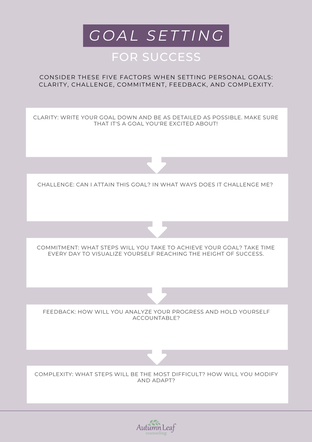 Click to Download and Print Remember That It's a Process If you follow these simple principles, you will set yourself up for success. Yet, it’s important to remember that it’s okay if you don’t get it right the first time. Be patient with yourself. Understand that working toward your goals is a process. Even if you make a misstep or two, you can restart and continue your journey toward your goal. Never give up. If you’re finding it difficult to set goals and achieve them, then it can help to talk it through with someone you trust. Sometimes it can be hard to achieve things on your own, so having a reliable supporter can help. At Autumn Leaf Counseling we can help you to discover which motivating strategies will work best for you.
0 Comments
 From a young age, we’re told that “it’s better to give than to receive”. But, are we truly living our lives with this lesson in mind? Most of us want to be generous, but it’s easy to get overwhelmed with your own life and lose focus on helping others. And while some rarely offer help to other people, others seek opportunities and can be overly generous. Have you ever thought about why some people are generous while others are not? In this article, we’ll discuss the psychology of generosity, its benefits, and simple ways to practice generosity in your life. What is Generosity? “Generosity is giving good things to others freely and abundantly. Generous behaviors are intended to enhance the well-being of others. However, the giver can benefit, which distinguishes generosity from ‘pure’ altruism.” — Patricia Snell Herzog and Heather Price, Authors of American Generosity: Who Gives and Why Generosity comes in many forms such as giving time, money, attention, or other resources. While a generous gift or act can benefit the giver, it’s mainly intended to benefit the recipient, and there isn’t necessarily any expectation of a return. Often, generous acts are part of our everyday life in ways we don’t even realize. For example, you may have let a coworker borrow a book, brought a friend a much-needed cup of coffee, or spent a Saturday cleaning your closet to find clothes to donate. These little things can brighten someone’s day and make a big difference in their life. The Psychology of Generosity  Generosity is important but why do some give while others don't? Numerous studies show that generosity is part of human nature. Children as young as 14 months are willing to help others by handing items out of reach and giving up their own possessions to others in need. Yet, that drive to give changes as children grow older. But why? Some studies show that feelings of empathy is an important factor. Empathy is the ability to sense other people’s emotions, coupled with the ability to imagine what someone else might be thinking or feeling. This helps us put ourselves in another’s shoes. For example, an empathetic person is more likely to experience a sense of oneness with a young man asking for spare change, and therefore more likely to help him. New research from the field of neuroeconomics supports this idea. Scientists at CalTech and Harvard found that the decision to give simply comes down to how much importance you attach to your interests versus someone else’s. So if you’re the type of person who considers other people’s needs as much as your own, generosity tends to be automatic. This study suggests that being more generous could be as simple as stopping to focus on how someone else might feel. Gender may have an impact on generosity. A 2010 study on charitable giving revealed that at all income levels women give more often and more generously than men. The author of this study speculated that “Women are socialized to take care of their families and their communities, and because of that socialization process we see the motives of empathy and caring. Women also score much higher on empathy and principle of care.” A second study using data from 3,572 American households found that one gender isn’t more generous than the other, but they do display charitable giving in different ways. Men, for example, tend to adjust their giving based on tax incentives and income. They give more money to fewer causes, while women support more charities at lower amounts. Generosity is a choice. Generosity is a trait that can be developed if you are open to trying, regardless of gender or level of empathy. But, why would you want to be more generous? There are several known physical health, mental, and social benefits to generosity. The Benefits of Generosity  1. Increases feelings of happiness. Giving our time and money gives our happiness levels a boost. When you look at the MRIs of people who gave to various charities, scientists have found that giving stimulates the mesolimbic pathway, which is the reward center in the brain. So, after an act of kindness, people report higher levels of happiness. Generosity and altruism were also found to be a major protective factor during the COVID-19 outbreak. For instance, a study published in the International Journal of Psychology revealed that the more altruistic young adults exhibited less psychological distress and less depressive symptoms. This is in line with evidence showing that altruistic and generous behavior is associated with better mental health. 2. Generosity has a positive impact on your physical health. Volunteering is a good way to increase physical activity - and physical activity is, of course, linked to better health. In addition, a 2016 study found that giving social support (any giving that had costs, including time, effort, or goods) was associated with better overall health, as measured by reduced stress and blood pressure. One innovative study found that generosity can also reduce CTRA gene expression, which is responsible for the development of inflammatory diseases like rheumatoid arthritis and cardiovascular disease. 3. Generosity builds confidence. When it comes to confidence, many people think of compliments and praise as confidence boosters. However, research studies show that being appreciated for giving has a greater and more positive effect on our confidence. Generosity allows us to feel more than just the joy we experience when we are giving, but also enables us to feel like a valued component in the lives of others, and this ultimately heightens our self-esteem. In times of hardship, acts of giving can be highly effective in rebuilding emotional and psychological strength. 4. It promotes healthy relationships. Relationships are more balanced when we’re not just focused on taking. This makes sense since most people want to interact with kind and giving people. Even during conflict and arguments, kindness can bring people together, as well as mend and heal rifts. There is significant research that shows that generosity is a key to successful, mutually-productive, long-term personal relationships as well as to professional relationships and personal career success. 5. You can make the world a better place. One of the primary benefits of generosity is to help others and to help make our communities better. Whether you have hope for humanity or you don’t, whether you think the world is getting better or worse, there’s always something that you can do to make life better for someone. How Can You Be More Generous?  There are a number of simple ways to make generosity more intentional in your life. Here are a few ideas to get you started:
This worksheet is designed to provide more ideas and inspire generosity in your life: Ideas to Inspire Generosity 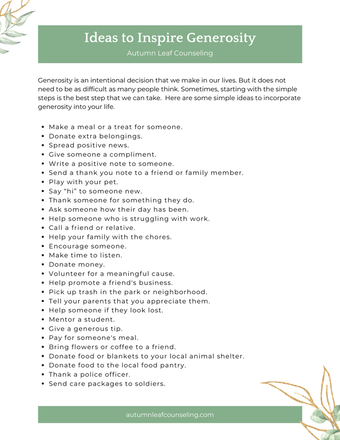 Click to Download and Print Generosity is Beneficial to You and To Those Around You Generosity doesn't always happens by chance. Instead, it is an intentional decision that we make in our lives. But it does not need to be as difficult as many people think. Sometimes, starting with the simple steps is the best step that we can take.
What simple steps have you incorporated into your life to foster generosity? If you would like to speak with a professional, please reach out to schedule an appointment.  The transition back to school as summer ends can be a stressful time. Many students feel anxious about going back to school after a long summer break. Others may feel nervous about starting school for the first time. Regardless of what the case may be, it is helpful to have strategies in place to help you feel less anxious. Why does going back to school cause anxiety? Returning to school is a transition or change from what you are used to. Even if it is a good change, the process of getting adjusted to a new routine involves energy, effort, and uncertainty. Yet, high school and college are rewarding experiences - and there is nothing that you can’t handle. Let's explore anxiety and positive coping strategies that you can use to handle back-to-school anxiety. What is anxiety? Anxiety is a normal human emotion that everyone experiences at one time or another. For instance, when faced with a problem at school, before taking a test, or making a big decision. Feelings of anxiety are usually future-oriented. This means that you worry about things that may or may not happen in the future. Anxiety feels like a sense of uneasiness, distress, or dread. You may have recurring intrusive thoughts or concerns. Or you may avoid certain situations out of worry. There are also physical symptoms of anxiety like sweating, trembling, dizziness, restlessness, feelings of nausea, difficulty sleeping, and rapid heartbeat. If you are experiencing one or more of these symptoms know that you are not alone and that there are ways to feel better. 7 Ways to Handle Back-to-School Anxiety 1. Prepare ahead of time. People tend to feel anxious when they feel powerless in a situation or when they feel like a task is too big to handle. But breaking things into smaller tasks and preparing can make things feel less overwhelming. Think about what you can break down and prepare for. For example, you can review your schedule and walk through it at school. Think about what books and materials you will need for each class. This way you will know exactly where to go throughout the school day and what you will need. 2. Practice self-care. Self-care is always essential, especially when you're starting something new. Take the time to care for yourself. Habits like journaling, art, eating well, rest, and exercising are all great ways to practice self-care. Whenever you feel back-to-school anxiety rearing up, choose an activity that helps you feel balanced. 3. Focus on your sleep schedule. A good night’s sleep improves mood immensely. A lack of sleep, on the other hand, encourages anxious feelings and leaves a person feeling more drained than necessary. Try to set a regular bedtime and wake time to help you feel your best. 4. Be intentional about your social circle. Creating time to spend time with friends or make new ones can help decrease back-to-school anxiety. Join clubs and groups and have structured social time around activities you enjoy. This will bring passion and happiness into your life and help you to look forward to being a student. 5. Talk to someone. There’s power in conversation. Stay in contact with good friends and family members. No one ever wants to feel alone, and definitely not in times of anxiety or distress. Sometimes, just talking to someone lifts those bad feelings and takes them away. Even meeting up with a friend for coffee can help you feel connected and give you much-needed time to talk. 6. Practice reframing your thoughts. Reframing thoughts is when you actively notice unhelpful thoughts in your mind and reframe them into more useful thoughts. Some types of unhelpful thought patterns include:
7. Create a toolkit A big piece of anxiety management is recognizing what does and doesn't work to help ease your anxiety. When you find things that work for you it's helpful to make a list so you can come back to the strategies when needed. This might include the following:
Your Feelings are Valid Remember that you're not alone and plenty of people are experiencing the same feelings as you. Your emotions and experiences are valid. If you’re feeling overwhelmed, it may be time to share with a mental health professional. We can help you relieve your symptoms and provide you with solutions. If you would like to speak with a professional, please reach out to schedule an appointment.
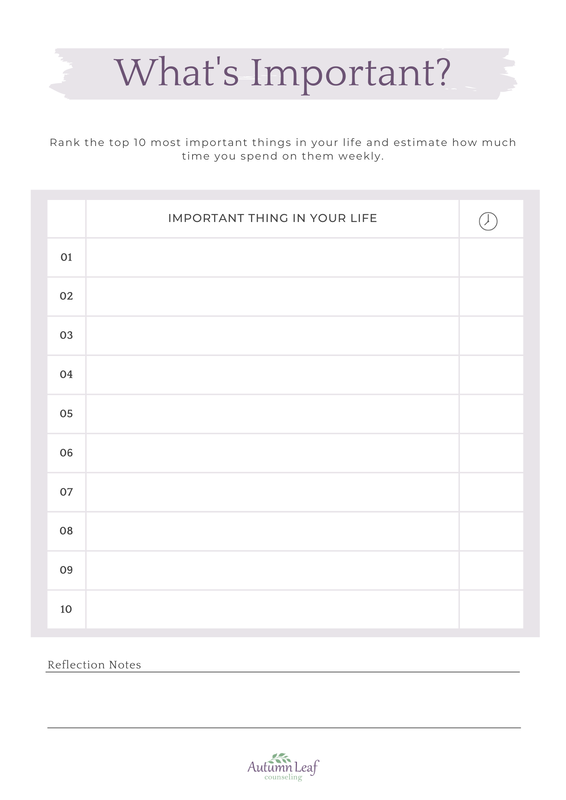
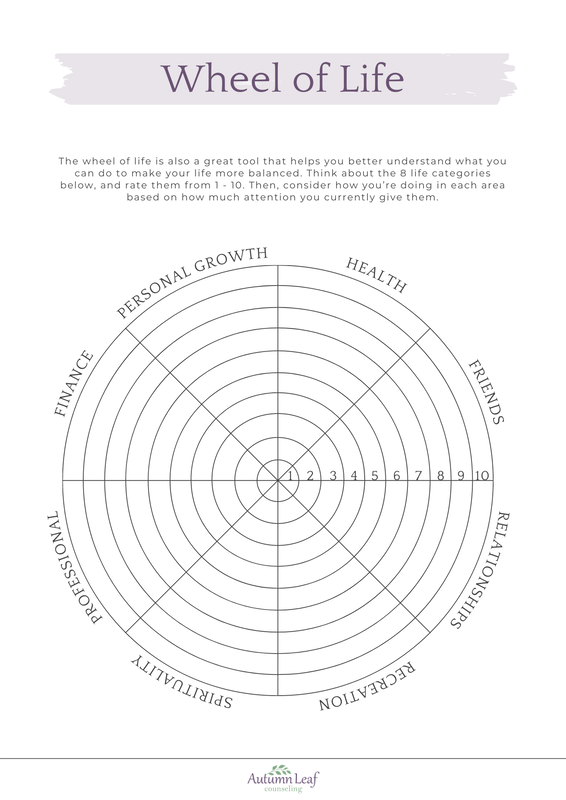
Do you feel like work has taken priority over everything else in your life? It may feel like there’s a constant battle to keep up with work deadlines, maintain responsibilities at home, and still have time for the things that are important to you. It’s a good thing to work hard and have a desire to succeed professionally. Yet, creating a harmonious work-life balance is critical to improving not only our physical, emotional, and mental well-being, but research shows that it’s also vital to succeed professionally. Creating a healthy balance can be challenging. That is why I’ve put together actionable steps to begin progressing toward a more balanced personal and professional life. 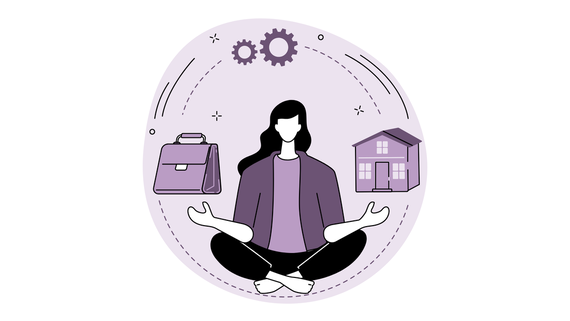 What Exactly Is Work-Life Balance? Work-life balance is a concept that describes the ideal situation in which an individual can split their time and energy between work and other important aspects of their life. When you hear “work-life balance,” you may imagine having an extremely productive day at work and then leaving work behind to spend the rest of your day with family and friends. Or you may imagine maintaining a job while also having time for personal endeavors like travel. Work-life balance can look different for each individual based on circumstances and priorities. So how can we stop allowing work to take precedence over everything else and progress toward balance? How Can You Progress Toward Work-Life Balance? 1. Answer this question: what are your priorities? Priorities are defined as “things that are regarded as more important than other things”. Your priorities are the things that matter the most to you. They’re the things in life that are most deserving of your time and energy. The thing is that not EVERYTHING can be a priority at the same time. You may have heard the quote: “If everything is important, then nothing is.” - Patrick Lencioni This means that if you spread your time and energy too thin then you won’t be able to give the attention you need to the most important aspects of your life. By setting clear priorities for yourself, you ensure you’re spending your time and energy on the things that matter most. Identifying your priorities will help you on your journey to living more intentionally. If you haven’t truly sat down and thought about your priorities, I encourage you to do it now! Listing your top priorities in your daily life is a great exercise that can bring you clarity. These questions can be helpful in defining your priorities:
In addition, you can use these worksheets I’ve created to help you to gain clarity: The point here is to see where your time is going visually and what is lacking the most. Now that you have a good visual, set some goals for how you will make some adjustments in your life. How can you currently bring better balance? 2. Don’t be afraid to set boundaries. Cutting ties with work allows us to recover from weekly stress and gives us space for other thoughts and ideas to emerge. You can achieve this by creating non-negotiable working hours. Give yourself a strict start and ending time. It’s not going to be easy, especially if you are working fro home. Make sure to give yourself time to form a new habit and step away from the laptop. Try adding your working hours to your calendar AND set an alarm to stop yourself from unintentionally working overtime. 3. Prioritize your physical and mental health. Your overall physical, emotional and mental health should be your main concern. If you struggle with anxiety or depression and think therapy would benefit you, fit those sessions into your schedule. Prioritizing your health first and foremost will help you in all areas of life. Prioritizing your health doesn’t have to consist of extreme activities. It can be as simple as daily meditation or exercise. 4. Place your phone aside. If your phone is ALWAYS in your hand, you’re making it way too easy to check your texts and email. Once you tap on that Gmail icon, you’ll quickly get sucked back into the vortex of after-hours work. Better yet, turn off notifications altogether and only check your phone a few times a day. This can help to eliminate distractions so you can focus on what’s important. 5. Learn to say “no” Saying no at work isn’t always easy, but it is possible. And, being able to turn down requests is an essential skill if you hope to achieve a work-life balance. There are a lot of different ways to say no at work, even if you’re talking to your boss. One way to do this is to say, “I would love to take that on. Can we review my workload and decide what I should de-prioritize to fit that in?”. By doing this, your employer will have a moment to review everything that’s on your plate and decide whether this new task is a priority. Recognize that limiting the scope of your responsibilities helps you to complete projects to the best of your ability. Bonus! Try a Post-Work Meditation If you’re looking for a better work-life balance, taking time to consciously let go of whatever may have happened during the day is a great step. A post-work meditation acts has a reset after work to cleanse your mind. Here are a couple to try: Unwind After Work Meditation, 5-Minute After Work Practice. Work-Life Balance is Achievable It’s important to remember that some periods of your life may be imbalanced, and that’s okay. Some days or weeks, you might focus more on work while other days you might have more time for family and your hobbies. Balance is achieved over time, not each day. It is important to remain fluid and regularly assess how you are spending your time.
If you’re feeling overwhelmed, it may be time to share with a mental health professional. We can help you to reflect and create an action plan to achieve a better balance. If you would like to speak with a professional, please reach out to schedule an appointment.  How do we kindly create healthy boundaries during the Holiday season? It’s not an easy task. Yet, honoring our limits helps us to take better care of ourselves and supports our relationships with loved ones. Overall, your Holiday season with your family will be more joyful if you remember to set and enforce your boundaries. In order to ensure your holidays are as enjoyable as possible, you need to first consider what it is about the Holidays that causes stress or upsets you. Once you do, you can begin figuring out how to set boundaries with family and learn tactics you can use to navigate the holidays smoothly. According to a Healthline survey, 44% of people say that they are stressed during the holidays. A common trigger for this anxiety is family gatherings. These are a few things you may experience:
Do any of these situations sound familiar? If so, please consider these suggestions for how you can create and maintain boundaries during the holiday season. Tips for Setting Healthy Boundaries During Family Gatherings 1. Speak to Your Family Ahead of Time About Controversial Conversations Most people know that discussing topics like politics and religion at family gatherings is not the best choice. But some family members can't seem to help themselves. This usually creates uncomfortable or angry feelings. This year, consider having a family meeting in advance to get ahead of any tough topics, especially if you experienced conflict during your last time together. Try this: I feel uncomfortable when you talk about politics or religion over the Holiday dinner because it creates an atmosphere of tension. Let’s talk about something else so we can enjoy one another's company. 2. Set Aside Time for Yourself for Self-Care It's perfectly okay (and necessary) to take a break to relax and recharge. Even when you absolutely love spending time with your family the constant activity can feel overwhelming. Take time to practice a mindfulness exercise, go for a walk, or take a short nap. Even a 20 to 30 minute break can make a big difference in your day. Even if you are the one hosting, it's okay to ask for help so you can get a much needed break. Try this: I feel a bit overwhelmed because I’m used to having time to myself at home. I'm going to take a short break then I'll be back to celebrate with you. 3. Don't Be Afraid to Say How You Feel If a family member is prying for information or crossing the line with their teasing, then it's time to stand up for yourself. Set a clear boundary by stating how you feel and why. Make sure to stick to the facts and don’t accuse them of being rude or disrespectful. They may not realize that's the case. Stating your feelings creates a space for someone to hear their impact on you without causing unwanted conflict. Remember you should only share what you feel comfortable sharing. Try this: You know, Aunt Grace, I feel uncomfortable when you ask when I will have kids. Let's talk about ...(mention her hobbies or something she's interested in). 4. Plan Your Reaction to Negative Comments If there is a family member who is consistently harsh or critical then it's important to set clear boundaries. Try your best not to share personal information with that person and don't get into a situation where you're left alone with them. If they do make negative comments, remember not to take it personally. Their negativity is not a representation of you and your life. Try this: Surround yourself with people you get along with and family members who are there to enjoy time together. Enjoy The Holidays with Your Family  Creating and honoring your boundaries can help you to enjoy the holidays with your family. If you’re feeling overwhelmed, it may be time to share with a mental health professional. We can help you pinpoint specific events that trigger you and help you create an action plan to change them. If you would like to speak with a professional, please reach out to schedule an appointment.
 It’s no secret that dopamine is important for your mental health. It’s most known as the “feel-good” neurotransmitter, and while it does play a role in feelings of pleasure, it has many other remarkable functions. In addition to sending signals in your brain, dopamine affects physical and behavioral functions such as movement, memory, sleep, motivation, mood, and thyroid function. Let’s look at dopamine’s many functions, symptoms of low dopamine, and how to increase dopamine levels in your body. What is Dopamine Dopamine is a neurotransmitter which means that it sends messages between neurons in your brain and allows certain nerve cells to communicate with one another. Dopamine is produced in the midbrain, in two regions called the tegmental area and substantia nigra. Dopamine is used in the brain and the body through four pathways:
Symptoms of Low Dopamine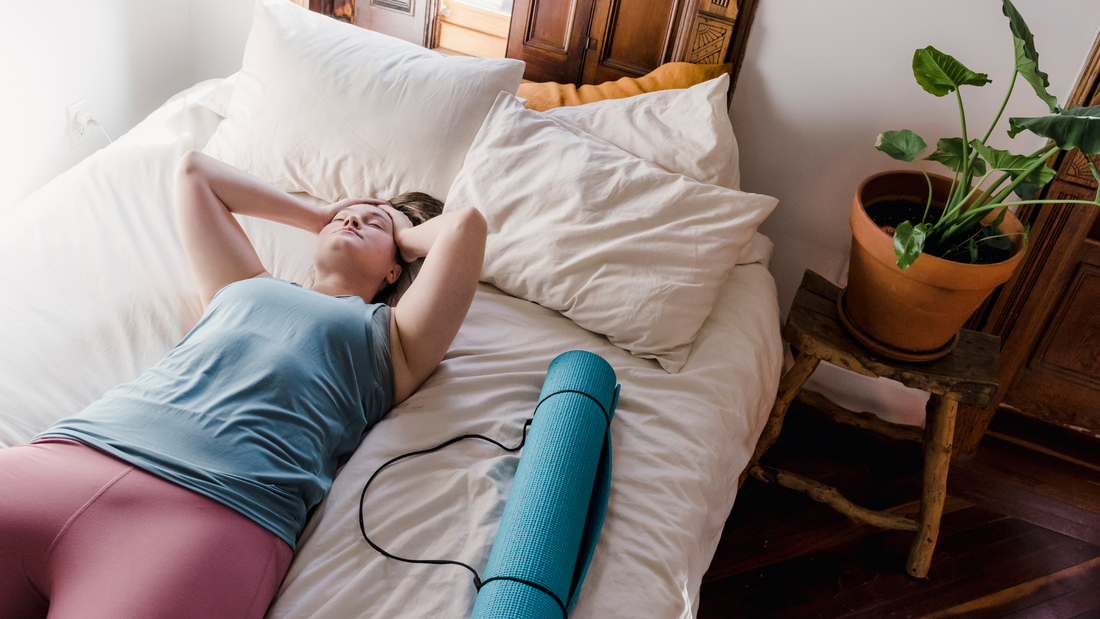 With links to conditions like depression and Parkinson’s disease, symptoms of low dopamine are similar to these conditions. Some symptoms of low dopamine levels include:
Low dopamine manifests differently depending on how the brain pathways are affected. For example, one person may experience mental health symptoms while another person may experience physical symptoms. A physician can help to look at your symptoms, lifestyle factors, and medical history to determine if you have a condition related to low levels of dopamine. What Causes Low Dopamine Several factors may be responsible for reduced dopamine in the body. These include sleep deprivation, obesity, drug abuse, poor diet, and stress. In addition, age, health status, brain injuries, and medical conditions can also change dopamine levels. How to Increase Dopamine Levels Dopamine levels are typically well regulated within the body, but if you are experiencing symptoms there are some things you can do to naturally increase dopamine levels. 1. ExerciseExercise has been found to boost dopamine levels when performed regularly. Studies have shown that hour-long yoga sessions and 30-minute high-intensity training sessions can improve mood, memory, and motor control. 2. Eat protein with each meal Dopamine is produced from the amino acids tyrosine and phenylalanine, both of which can be obtained from protein-rich foods. Try to eat protein-rich foods like turkey, beef, eggs, dairy, and legumes at each meal. 3. Get enough sleepStudies show that dopamine is released in large amounts in the morning when it’s time to wake up. Levels then naturally fall in the evening when it’s time to go to sleep. However, a lack of sleep appears to disturb this natural cycle. For adults, the National Sleep Foundation recommends 7–9 hours of sleep every night for optimal health along with good sleep hygiene. 4. Get outside in the sun .It’s well known that periods of low sun exposure can lead to reduced levels of neurotransmitters, including dopamine. This is crucial to prevent Seasonal affective disorder (SAD), a condition in which people feel sad or depressed during the winter season. Studies show that spending at least half an hour outside each day can help to boost dopamine levels. 5. Dopamine boosting supplements Your body requires several vitamins and minerals to create dopamine including iron, niacin, folate, and vitamin B6. If your body is low in one or more of these nutrients, you may have trouble making enough dopamine. You can have blood work completed to determine if you are deficient in any of these nutrients. If so, you can supplement and focus on your nutrition to increase dopamine levels. 6. Practice meditationOngoing stress has been found to decrease dopamine levels and damage the receptor sites for dopamine. Yet, meditation can help by reducing the stress levels in your brain and by decreasing inflammation. Mindfulness meditation teaches you to be calm and helps you to cope with stressful situations. Try these mindfulness exercises throughout your day. 7. Avoid processed foods and sugar When you eat processed foods, sugar, and unhealthy fats your brain’s reward system is triggered to release dopamine. Yet, when eaten repeatedly the dopamine receptors will start to down-regulate and the brain will begin to remove dopamine receptors. Fewer dopamine receptors and less dopamine activity lead to feelings of unhappiness and other symptoms of low dopamine. A balanced diet that contains adequate protein, vitamins and minerals, probiotics, and a moderate amount of saturated fat can help your body produce the dopamine it needs. Reach Out for Help Dopamine is an important brain chemical that influences your mental and physical health. Consequently, low dopamine can have a significant impact on your quality of life.
Therapy can help you manage the symptoms of low dopamine. For instance, you can learn to better manage challenges like depression and anxiety. Therapy can also help you to cope with symptoms of an illness like Parkinson’s. If you would like to speak with a professional, please reach out to schedule an appointment.  Most personality quizzes that you’ll find online are just for fun. But they do sometimes reveal interesting things about your behavior and preferences. And while quizzes like ‘What Netflix series Should You Watch Next?’ are entertaining – and surprisingly accurate – there are also genuine psychological assessments available that can tell you even more valuable information about yourself. The Big 5 Personality Test, for example, is one of the most widely known psychological assessments. It was developed based on decades of personality research and has been translated into several languages to be used around the world. Most people can attest that knowing their personality type has helped them to better understand themselves and others. So, how can taking a personality test benefit YOU? Why should you take a personality test?  There are several ways that you can benefit from taking a personality trait test. First, after taking the Big 5 Personality Test and reviewing your results, you’ll gain a deeper understanding of why you like and dislike certain things. For instance, maybe you don’t like surprises or change but never understood why. Or maybe you love variety and creativity, but never were able to pinpoint those traits before. Knowing more about these personality traits can be helpful when you’re making important decisions, such as choosing a career, deciding where to live, and what lifestyle best fits you. The results of a personality traits test can also help you identify your strengths and weaknesses. For example, you may find that you have a strong sense of self-discipline and compassion toward others, but also tend to feel anxious. This would help you to be more mindful so that you can add stress reducing activities to your day, such as meditation or yoga. Understanding personality traits can also be helpful in strengthening your relationships with others. For example, let’s say that you love to be organized and have a plan for everything, but your partner does not like structure and schedules. By better understanding each other you can gain a respect for the different viewpoints that each of you bring to your relationship. And you can better meet the needs of your partner. What is the Big Five Personality Test? Before taking the personality test, it will be helpful to understand more about the Big 5 Model. Personality research indicates that there are five basic dimensions of personality. These are called the “Big 5” personality traits (source). The Big Five traits are:
Each of the five personality traits is a continuum. Meaning that when you take the personality quiz you will fall somewhere on the scale for each trait. For example, agreeableness represents a continuum between critical and helpful. And openness represents a range from practical to curious. 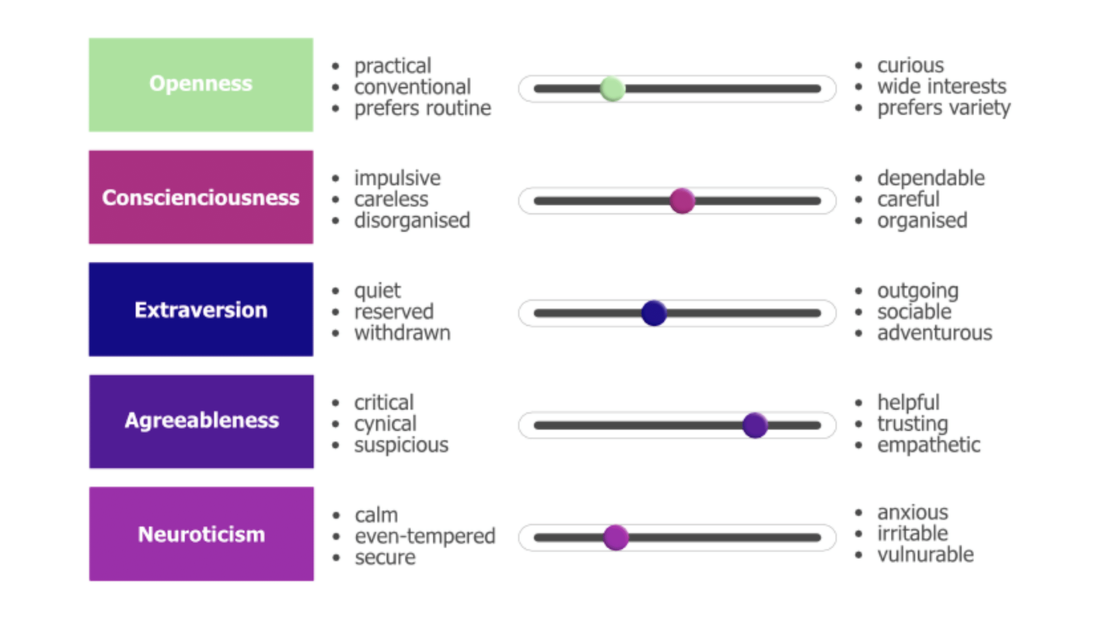 Figure 1. Big 5 Personality Traits Graphic Adapted from Marcr.net Every person has a unique personality. And this uniqueness originates from a combination of these five personality traits. Let’s take a closer look at each personality trait. Openness Openness is a person’s willingness to try new things as well as the ability to “think outside of the box.” People who are high in this trait tend to have a wide range of interests and prefer variety in their life. They are curious and eager to learn and enjoy new experiences. People low in this trait are more practical, prefer routine, and are uncomfortable with trying new things. Conscientiousness Conscientiousness describes a person’s level of dependability and goal-directed behavior. Highly conscientious people tend to be organized, dedicated, and aware of details. High scorers can give up immediate gratification for the sake of long-term achievement. They think about how their behavior affects others and are mindful of time. Those who score low on conscientiousness are less structured, tend to prioritize having fun, and are spontaneous. They dislike demanding schedules and have more difficulty staying focused to accomplish goals. Extroversion Extroversion refers to a tendency to seek out interaction from the outside world. It’s characterized by the level of comfort a person has in social situations and the need to join in. People who are high in extroversion are outgoing and tend to gain energy from their social interactions. They tend to enjoy social settings, seek attention, and are talkative. People who are low in extroversion (or introverted) tend to prefer spending time alone and are drained by too much social interaction. In social situations, introverts often need a period of solitude and quiet to recharge. Introverts tend to prefer one-on-one conversations, are more reserved, and self-aware. Agreeableness Agreeableness refers to how an individual interacts with other people. People that score high in agreeableness care about other people, enjoy helping others, and are trustworthy. They often put other’s needs before their own and cooperate rather than compete with others. Those low in agreeableness take little interest in others. They may be viewed as manipulative, competitive, and unfriendly. They tend to be less influenced by emotions and are less perceptive of the needs of others. Neuroticism Neuroticism describes a person’s emotional stability. It also includes how likely a person is to interpret events as threatening or difficult. Individuals who score high in this trait tend to get upset easily, experience mood swings, and feel anxious. People that score low in neuroticism tend to deal with stress well, are resilient, and rarely feel depressed. They are extremely optimistic and tend to overlook the possibility of risks and danger. Take the Big 5 Personality Test One site that offers a free Big 5 Personality Test is Truity.com. You will find out how you score on each of the scales and will learn more about your core pattern of thought and behavior. Click here to take the test: Big 5 Personality Test. Interpreting Your Results When reviewing your results please remember that no personality type is better than any other. The purpose is to learn more about yourself.
And remember that no matter what your test results reveal, there is always room for growth. Personality traits are usually stable, yet researchers have found that we can intentionally change aspects of our personalities. For example, if you score low on the conscientious scale you can still learn to develop self-discipline to achieve things that really matter to you. You will need to look closely at what is preventing you from following through and develop a plan to help you succeed. A therapist can help with this process. Consider how you can use these results in your life. If you would like to discuss the results with a professional, please reach out to schedule an appointment.  What if I told you that you have the ability to decide how you will feel and function throughout your day? You will no longer have to go with the flow and take what comes to you. And you don’t have to let other people’s behavior guide your thoughts and feelings. You can achieve this by simply setting your intentions for the day. By setting an intention before you start your day you will feel calmer, focused, and present. Being intentional means mindfully choosing how you want to show up in the world. You can then take that energy into the day with you. Let’s explore how to choose your intention and how to use it to guide your day. What Is an Intention? First, let’s talk about what an intention is. Merriam-Webster’s dictionary defines it as “what one intends to do or bring about” and “a determination to act in a certain way”. I’d like to add that an intention is always deliberate, and we set our intentions to keep us headed in the direction we truly mean to go. Daily intentions can support you in developing a positive outlook and bring more clarity into your day-to-day life. Living an intentional life can also be a way to get closer to achieving your goals. Here’s one example of how an intention can improve your day. Maybe you have a report due and you are feeling stressed about (1) getting the report done and (2) doing your best work. That morning you could set the intention of “Today, I commit myself to feel calm and efficient”. With this intention, you are choosing to feel calm and prepared instead of allowing outside pressure to make you feel nervous and on edge. How to Choose Your Intention  So, let’s talk about how you can choose your intention for your day. The great thing is that these few minutes you spend in the morning will have a positive impact on the rest of your day. 1. First, find a comfortable sitting posture and relax your body as much as you can. Then, with your eyes closed, if that helps you to focus, take three to five deep, diaphragmatic or abdominal breaths. 2. Once you feel settled, contemplate the following questions:
3. Narrow down your thoughts to a specific intention. It can be helpful to use this simple sentence: Today, I commit myself to ____________________. You can finish this sentence each morning however you choose. For example:
Above all, don’t pressure yourself to feel like you need perfect wording to complete your intention-setting sentence. Intention setting is more about how you feel and believe, not how it sounds on paper. And you can change your intention daily or use the same intention for a few days before moving on to the next one. How to Use Your Intention  You can practice this intention-setting exercise first thing in the morning if that is convenient. Or, if you work in a quiet office, you could do it sitting at your desk before you get into the day. Throughout your day, look for opportunities to check in with your intentions. You can do this by repeating your intention a few times when it feels right to you. Then, before you go to bed or as you lie in bed before sleeping, reflect on your day. Review the events of the day (moods, feelings, activities) and reflect on your morning intention. Consider how much your day matched your morning intention. The idea is to not keep score or develop guilt over whether you did or not fulfill your intention. The goal is to broadly review to see the synergy between your intentions and your life that day. Daily Intentions Worksheet I’ve created a printable worksheet to help guide your daily intentions. Click here to download your Daily Intention Reflection worksheet. Start Today Setting daily intentions is one of the most powerful techniques you can use. It is so easy to roll out of bed and live on autopilot. Yet, daily intentions can help you feel focused and purposeful. Talking to a counselor can also help you develop ways that will help you to be intentional and live your life to the fullest. If you would like to speak with a professional, please reach out to schedule an appointment.
 Many of us go through the motions of daily life while never stopping to enjoy the moments that make up our day. Pausing to practice mindfulness for just a few minutes can help you have better days so that you can live your life to the fullest. Mindfulness is the basic human ability to be fully present, aware of where you are and what you’re doing, and not overly reactive or overwhelmed by what’s going on around you. While this sounds simple enough, we all have stressors and events throughout our day that distract us from being fully present. Think about how many times your mind wanders throughout the day. Or the number of times you feel like you’re on autopilot and not fully experiencing your life. Yet, no matter how far we stray from feeling centered, mindfulness exercises can help you learn how to be aware of what you’re sensing and feeling in the moment, without interpretation or judgment. And with practice, mindfulness will become a habit that will help you live a more fulfilling life. Mindfulness means paying attention… on purpose, in the present moment, and non-judgmentally to the unfolding of experience. - Jon Kabat Zinn, PH.D. How Can Mindfulness Exercises Improve Your Life? Mindfulness has many benefits to your emotional and physical health, as well as to your relationships. Among its many benefits, practicing mindfulness can:
And while there are many mindfulness exercises you can practice on a regular basis, learning how to be present in the moment is also a way of life. With practice, you can learn to live a more mindful life that allows you to become more conscious of everything you are doing. Mindfulness also involves acceptance, meaning that we pay attention to our thoughts and feelings without judging them—without believing, for instance, that there’s a “right” or “wrong” way to think or feel in a given moment. When we practice mindfulness, our thoughts are focused on what we’re sensing in the present moment rather than reiterating the past or imagining the future. Mindfulness ExercisesExplore these exercises for bringing more mindfulness into your life: Diaphragmatic Breathing  Breathe is one of the most used tools in mindfulness practices. This specific exercise, diaphragmatic breathing, will help you to connect with your body. It will also engage the part of your nervous system that tells your body to relax and your mind to calm. Over time, this type of breathing will come naturally to you. During this practice, take notice of what you feel. Maybe your shoulders will soften, tension will be released in the neck and jaw, your heart rate will slow down. Maybe you will notice the sensation of the breath as air moves in warming on the inhale, cooling on the exhale. Don’t try to control what you feel, just observe. Practice Diaphragmatic Breathing:
Following your practice reflect on how it feels to focus on breath? How did this practice impact your state of mind? Observe with Your Eyes Closed  In the previous exercise, mindfulness of breath was described. This was one way to observe – observing the breath. In this exercise, you will turn your awareness to other sensations while closing your eyes. Our eyes are an immense source of distraction . Whether you are looking at a screen or viewing people around you—our vision can be overwhelming. Therefore, by briefly removing those distractions you will become more aware and mindful of other sensations you may not have noticed otherwise. Practice observing with your eyes closed:
The key with this practice is to allow these sensations and thoughts to come and go. Following your practice reflect on how it feels to observe without seeing? How did this practice impact your sense of feeling present? Engage Mindfully in Daily Activities Do you ever struggle to recall where you placed your keys? Or do you sometimes forget why you walked into a certain room? Or maybe can’t remember if you turned the lights off before you left the house? These are signs that you have a lot of things going on in your mind and you are not being mindful. Fortunately, you can improve at this and there are many opportunities to practice throughout the day. Practice engaging mindfully in daily activities: Every activity you do throughout the day is a chance to exercise mindfulness. You just have to perform the activity with a greater sense of awareness. This means focusing on the present moment, tuning into sensations, and being fully aware of what you are doing. Take making dinner, for example. Start by viewing this activity as a positive event rather than simply as a chore. Then, as you cook, focus on what you are doing as you are doing it—and nothing else. Feel the warm water as you wash your vegetables; notice how the vegetables look and feel as you are slicing and chopping them; observe the scents arising as you cook. You will become more aware of what you’re doing and will feel more connected to the food you are making. Throughout your day, look for opportunities to be more mindful. Whether you’re playing with your kids or taking a walk, try to be fully aware of what you’re doing and what’s happening around you. When your mind wanders, congratulate yourself for noticing and gently bring your attention back to the current moment. Following moments of intentional mindfulness reflect on how it feels to practice mindfulness during your daily activities? How did this practice impact your sense of being aware and in the moment? A More Mindful Life Consider how you can apply these mindfulness exercises throughout your day. The more you practice, the more connected and present you will be. How might being more mindful impact your life?
Talking to a counselor can also help you develop ways that will help you to be fully present and live your life to the fullest. If you would like to speak with a professional, please reach out to schedule an appointment.  While some look forward to the first snowfall of winter, others find themselves having difficulty waking in the morning, experiencing daytime fatigue, and feeling a general sense of depression this time of year. If you are feeling this way, you may be experiencing seasonal affective disorder. Seasonal affective disorder (SAD), also known as seasonal depression, is a type of depression that is driven by the change in the season. It is most common for symptoms to begin in late fall and continue into the winter months and end in the spring. Seasonal depression can occur in the summer or spring, although this is less common. The symptoms of seasonal affective disorder can have a real impact on your daily life. The good news is that, like other forms of depression, SAD is treatable. Let’s dive into the causes of seasonal affective disorder, symptoms, and how you can start feeling better today. What Causes Seasonal Affective Disorder?  While the exact causes of seasonal affective disorder are not clear, most theories attribute the disorder to the reduction of daylight hours in winter. The reduction in daylight hours means that the days are shorter and most people experience less exposure to sunlight. The shorter days and reduced exposure to sunlight can disrupt our mental and physical health. For instance, a lack of sun exposure may result in a drop in serotonin, a neurotransmitter that affects mood. The production of melatonin, a sleep-related hormone, is also linked to seasonal depression. This is because when it’s dark out, melatonin is produced at higher levels by your brain. Then, during the day the sunlight triggers the brain to stop melatonin production so that you feel awake and alert (source). During the shorter days and long nights of late fall and winter, however, your body may produce too much melatonin. This may lead you to feel sleepy and have low energy during the day. A disruption in melatonin production can also impact your circadian rhythm, or sleep-wake cycle, resulting in internal clocks being out of sync with external clocks. This can result in some of the symptoms associated with seasonal depression, such as feeling disoriented, low energy, lack of appetite, and feeling agitated. What Does Seasonal Affective Disorder Feel Like?  Symptoms of seasonal depression are typically consistent with those that occur with depression. The primary difference between seasonal affective disorder and depression is that you feel relief from symptoms in the spring and summer months. Common symptoms of seasonal affective disorder include:
Symptoms that are typically more common in seasonal depression than in other forms of depression include:
As with depression, the severity of SAD symptoms can vary from person to person. For many, the symptoms usually begin mildly at the start of fall and get progressively worse through the darkest days of winter. Then, by spring or early summer, the symptoms lift until you’re in remission and feel normal and healthy again (source). Self-Help and Treatment for Seasonal Affective Disorder  Fortunately, there are steps that you can take to feel better if you are suffering from seasonal affective disorder. When it comes to self-help methods and treatment, it’s worth experimenting to find out what works for you because they’re definitely not one-size-fits-all. 1. Get as much natural sunlight as possible. During the day make sure that your home and workspace are as well lit as possible. First thing in the morning, open your curtains and blinds to let in natural light. You can also hang or prop a large mirror opposite of a window to reflect more natural light into your space. It’s also important to spend time outside in the sunshine. Spend at least half an hour outside each day if you’re able to. Sunlight cues specific areas in the retina to trigger the release of serotonin, so ditch the sunglasses if you can. 2. Use a light therapy box. An alternative way to get more light during the day is to use a light therapy box. A light therapy box is a device that gives off bright light that mimics natural outdoor light. Generally, most people with seasonal affective disorder begin treatment with light therapy in the early fall. Treatment usually continues until spring, when outdoor light alone is sufficient to sustain a good mood and higher levels of energy. During light therapy sessions, you sit or work near a lightbox for 20 to 30 minutes a day (source). Make sure to check the manufacturer’s guidelines and if possible consult with a mental health professional to find the best recommendations for you. They may suggest that you start with shorter sessions and gradually increase the time. 3. Use a Dawn Simulator to Wake up Naturally Light therapies are commonly used to improve symptoms of SAD. However, many people cannot tolerate sitting in front of a light fixture or just don’t have the time to do so. An effective alternative is dawn simulation. A dawn simulator provides a gradual increase of simulated morning light just before wake-up time. The light increases from 0 to full brightness over a period of 30 minutes. Dawn simulation can help you to wake up feeling energized and decrease SAD symptoms. 4. Try Aromatherapy Aromatherapy may also help to lift your mood and decrease symptoms of seasonal affective disorder. Essential oils have been used to enhance lives for thousands of years. You can use oils to encourage a positive emotional state, improve memory and focus, and feel more energized. Citrus essential oils, like lemon and orange, invigorate the body and mind and uplift your mood. Studies have found that lemon essential oil possesses anxiolytic and antidepressant-like properties. You can diffuse essential oils or apply them topically with a carrier oil. 5. Consider Antidepressants If other strategies do not relieve your symptoms, an antidepressant drug may be useful to reduce and eliminate symptoms. Discuss your symptoms thoroughly with your family doctor and/or mental health professional. 6. Talk with a Mental Health Professional
Therapy sessions can help you change your mindset and give you the tools to manage stress and cope with seasonal affective disorder. Combining talk therapy with other strategies can help you to tackle SAD so that you can get back to enjoying your life. At Autumn Leaf Counseling, we’re here for you. While seasons changing is inevitable, you don’t have to suffer. Whether you are local to Hinsdale or the general Chicago area contact us today to learn more about how we can help.  Finding motivation is becoming a growing challenge for many people due to the coronavirus pandemic. In the beginning, we faced weeks and months confined to our homes and had to find ways to cope with social isolation. While that may not seem as daunting now, you may still be coming to terms with working from home or remote learning. Why might your motivation dip when working at home? It may be due to the lack of external motivation from colleagues and peers. When we’re at home we’re not getting the same recognition, feedback, and feeling from a work environment as we would if we were at our school or office. In addition, internal motivation can be impacted during the pandemic. Internal motivation is when we are compelled by things that are personally gratifying, such as learning, satisfying curiosity, or taking an interest. When we’re working at home we can easily become distracted by things that peak our interest more than our work. You may also feel more worried or anxious during this time about the future of the world or your job. If you are having difficulty finding motivation, these are proactive steps that will help you regain motivation during this time. 5 Ways to Supercharge Your Motivation |
AuthorAs a therapist, Jorie Miklos enjoys helping people reach a level of personal happiness and satisfaction that they didn’t think was possible. Archives
January 2023
Categories |


















 RSS Feed

© COPYRIGHT 2020. ALL RIGHTS RESERVED.
|
MENU
|
MENTAL HEALTH CRISIS LINES
If you need immediate help, call 911 or one of the crisis numbers below:
Crisis Line: 312-563-0445 Suicide Hotline: 1-800-273-8255 |
CONTACT
Jorie Miklos, MA, LCPC
Autumn Leaf Counseling 5757 S. Madison St. Hinsdale, IL 60521 630-228-6011 [email protected] |
Website created by Ready Set Go Website Design